
Off Site Blog
Why Engineered Components Fail in Harsh Summer Conditions
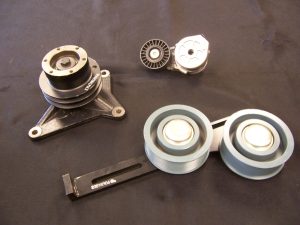
Summer heat can be a serious challenge when it comes to built parts that need to perform under pressure. High temperatures, long hours in the sun, and rising humidity all take a toll on systems that depend on exact fits and clean, consistent operation. When heat peaks and conditions get tougher, precision engineered components are often the first to show wear or failure.
Most issues aren’t caused by one big thing. They’re the result of a mix of summer stress, material limits, and design choices that don’t leave enough room for heat-induced movement. Knowing how and why this happens helps us make better choices before failure starts causing downtime or missed deadlines.
Hot Weather’s Impact on Engineered Components
Temperature swings in summer can sneak up, especially in places like Chesterfield, Michigan, where July often brings high heat with strong humidity. That mix causes all kinds of issues at the part level.
- Metals expand and contract more often, which can shift alignment and wear down tight-fitting parts faster.
- Prolonged exposure to sun and heat can warp certain components if they don’t allow for movement or dispersion.
- Moisture in humid air builds on machines and surfaces, increasing the chance of corrosion or chemical breakdown.
- Thermal cycling, when parts cool and heat up multiple times in short periods, can slowly weaken surfaces or make them brittle.
Even perfectly machined parts can fall out of tolerance or lose integrity when pushed past their built-in comfort zone. Once tolerance and shape are compromised, the part doesn’t perform as intended.
Material Selection and Design Mistakes
Not every failure starts on the floor. A lot of issues begin with the design itself or with material choices that aren’t a good match for summer use. If heat tolerance isn’t considered in the blueprint, the part is going to struggle once the temps climb.
Here are some common reasons things go sideways:
- Materials not built for heat get chosen just because they’re common or cost-effective.
- Parts are coated with finishes meant for indoor or mild environments, not harsh weather.
- Tight clearances are used without including room for thermal changes.
Precision engineered components need to maintain shape and structure no matter the season. If the metal softens or shifts, or if the coating bubbles or cracks, the entire assembly could stop working, or even cause damage to the system around it.
Real-World Environments That Push Parts Too Hard
Not all parts work in clean rooms or labs. Many are bolted directly into trucks, engines, or frames that run nonstop in rough field conditions. That kind of work is hot, noisy, and brutal, especially during July and August.
We see failure more often when components are:
- Inside vehicle frames or power units that run for hours outdoors where airflow is low and vibration is high.
- Tucked into tight spaces with no breathing room to shed heat.
- Exposed to road debris, rain, fluids, or pressure washers that loosen protective finishes meant to guard against rust or wear.
Midwest summers like the ones here in Chesterfield, MI, often bring high UV and even higher humidity. When metal sweats and dries over and over again, coatings take a hit and even strong alloys can begin to erode.
How Smart Machining Can Prevent Summer Failures
A good part starts with a tight machine setup and ends with attention to the details most people never see. Precision matters even more when parts face stress from high heat, frequent cycling, and harsh working conditions. Our precision CNC turning and milling hold two-axis to multi-axis cuts to ±0.0005 inch, which helps critical geometries stay within spec even as operating temperatures climb.
Working through hot weather needs parts built with:
- Tight tolerances that don’t drift under heat or vibration.
- Controlled surface finishes that reduce hotspots or chemical buildup.
- Extra protective coatings that hold up against water, grime, and UV.
Our micro-finishing and honing capabilities achieve surface finishes to Ra 8 microinch and roundness within 0.0002 inch, which helps reduce friction and heat buildup so components last longer in summer conditions. When everything is set from the start, including fixturing, testing, and finishing, it lowers the chance of surprise failures during the hottest part of the year.
Manufacturing Flexibility That Keeps Up With Summer Schedules
High heat hits in July just when some industries are ramping up production. There’s often no time to waste when something breaks or an order needs urgent changes.
Being able to shift quickly from prototype to replacement matters more in summer than any other time for several reasons:
- Production equipment might already be stretched and downtime means bigger delays.
- Heat makes even minor flaws worse, especially in systems under load.
- Orders might need to scale fast when other suppliers can’t keep pace or have sudden backlogs.
Building in flexibility upfront, like internal fixture builds or adjustable machining setups, helps avoid delays and solve problems before they reach the customer. That kind of planning becomes the difference between staying ahead and getting stuck.
Build Stronger Parts for Hotter Days
When parts fail during the summer, it’s rarely a surprise, but it’s often preventable. Everything from metal type to final coating plays a role in whether a component holds under heat or breaks under pressure. The smallest design detail can turn into a big repair if it doesn’t leave room for summer demands.
By knowing what precision engineered components really go through in high heat and taking the time to prepare for those conditions, we can reduce risk, keep machines running longer, and reduce replacements needed mid-season. It’s not about doing more work, it’s about doing the right work early on.
Unexpected setbacks from heat-damaged parts can stall your productivity, especially during the hottest days in Chesterfield, MI. At Off Site Manufacturing, we provide durable, high-tolerance machining that’s built for real-world conditions. Our full-service process gives you speed, flexibility, and increased quality control every step of the way. Learn how our work with precision engineered components can help you avoid downtime and deliver stronger results from prototype through production. Get in touch today to request a quote and start your next project with us.
Get in Touch
Have drawings ready? Let’s talk.